How AI is helping predict hybrid corn performance before planting
Predicting how a new corn hybrid will perform in the field is one of agriculture’s toughest puzzles – now a breakthrough AI model is helping solve it.
Developing a new corn hybrid takes years of effort and scientific skill. Even before a hybrid reaches the market, scientists must assess where a new hybrid will bring the best benefit to the world’s farmers.
As an example, take a hybrid created in Brazil: will it thrive in another tropical climate like Thailand? For decades, the only reliable way to answer that question was to plant it and wait.
But not anymore. Syngenta’s Seeds Digital R&D team has designed and deployed an advanced AI model known as “Pyrgos” that combines genetics, environmental conditions, and agronomic practices to forecast crop performance with unprecedented accuracy.
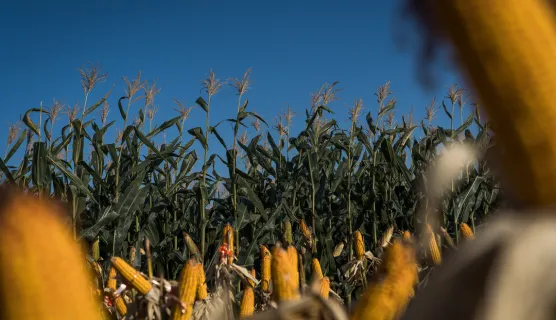
Corn hybrids are carefully designed for higher yields and tailored for best performance in specific environments.
How a seed will perform depends on a trifecta of factors: its genetics, the environment where it’s grown, and the farming practices that tend to it. This can be summed up in an equation: genotype × environment × management or “G×E×M” for short.
These different factors also make predicting the yield of a particular seed a daunting challenge but with Pyrgos, scientists can better predict product placement and performance in advance, giving more reliable agronomic management practices before a single seed goes into the ground.
A new AI for a new challenge
Successfully predicting outcomes requires huge amounts of high-quality data. Pyrgos is powered by cutting-edge deep learning algorithms trained on Syngenta’s vast corn trial data from around the world, stretching over a decade and covering tens of millions of data points like crop performance, weather data and soil types.
Eric Ginsberg is the lead scientist on the project: “As a company we have this incredible resource of trial data from around the world, so we started by asking: how could we bring forward new statistical techniques and new technology to unlock new insights?”
In essence, the model can simulate how any corn hybrid would perform in any environment – from a rainy valley somewhere in Europe to a dry prairie in the American mid-west.
To do this, Pyrgos considers hundreds of different environmental factors (like weather patterns and soil types) alongside each hybrid’s unique genetic profile.
By learning from millions of data points across more than one million distinct genetic hybrids, the model detects subtle patterns and interactions that traditional tools could never capture.
“Our vision was to set a new standard in large-scale G×E modeling,” explains Cole Manring, a machine learning engineer. “We applied advanced AI to ask some big ‘what-if’ questions of our entire trial database – and in return, we’re getting insights that drive big decisions.”
“For the first time, we have an AI model that can tell us how a hybrid from one region might perform in another,” says Clay Cole, an R&D Digital Advancement & Placement Lead at Syngenta. “These insights help us share high-performing germplasm across regions more efficiently, increasing genetic diversity in our pipeline and get elite products to farmers around the world more quickly.”
From big data to smarter decisions
The name “Pyrgos” comes from the Greek word for “tower” – a nod to the model’s two-pillar design. It is this architecture that allows Pyrgos to draw on data from one region (say, Brazil) to predict outcomes in another (like India) with appropriate calibrations.
Initial results are promising: Pyrgos outperforms previous prediction methods and is especially useful when forecasting the performance of completely new hybrids that have never been grown in a particular environment.
In practical terms, that means when plant breeders create a brand-new corn hybrid, Pyrgos can accurately estimate its future yield and traits – even under conditions the hybrid hasn’t experienced before.
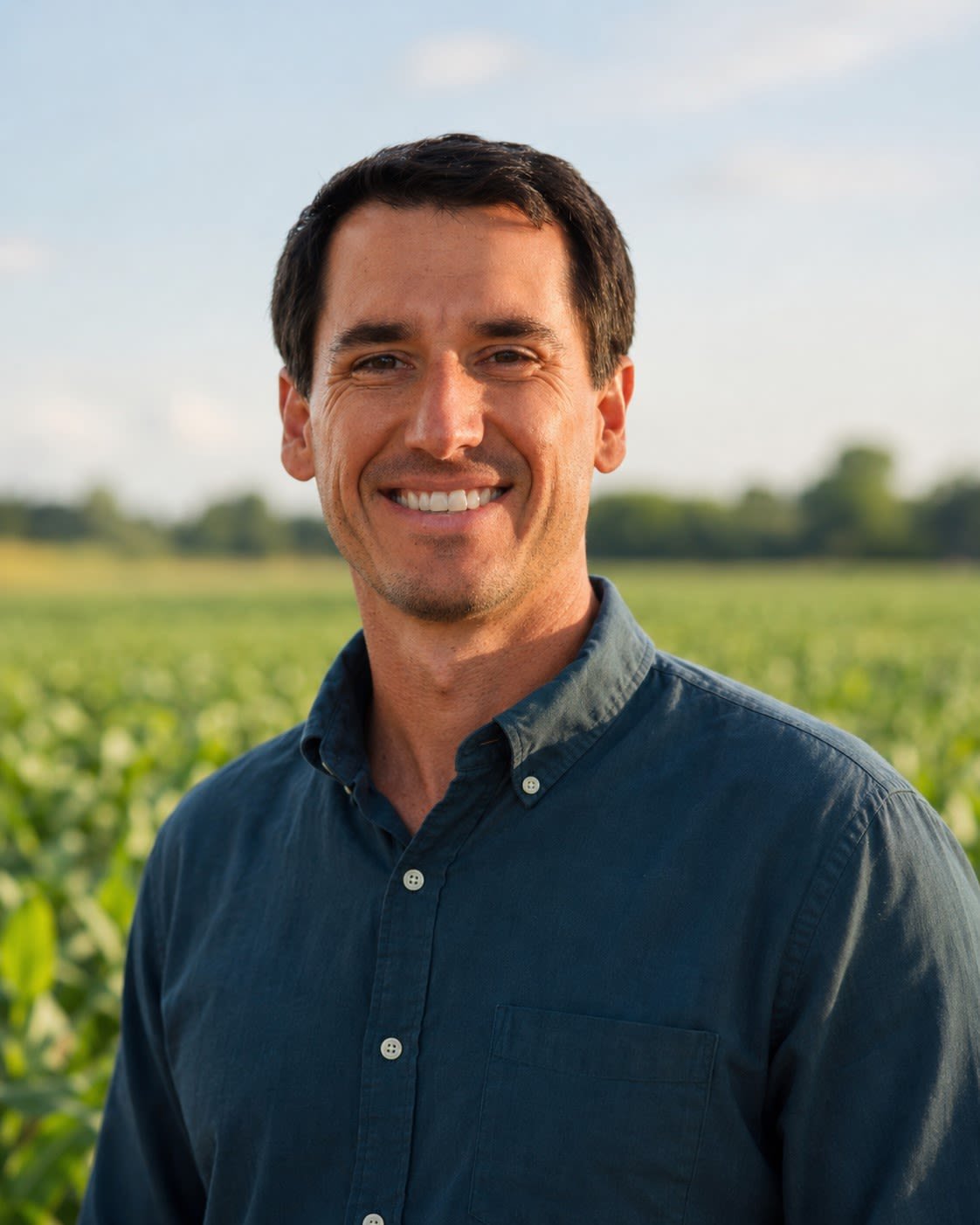
Andy Jakubowski, Head of Seeds R&D Digital at Syngenta, is excited about the possibilities that Pyrgos opens up.
Andrew Jakubowski Head of Seeds Digital R&D
“This is the next step in predictive breeding – an AI-powered crystal ball that helps our teams choose the right hybrids and place them in the environments we know they will perform, faster and more precisely than ever.”
By integrating Pyrgos into Syngenta’s corn hybrid development, scientists and agronomists will be able to run predictions on batches of candidate genetics and immediately see which ones are likely to thrive in each target market or growing condition. Those insights will feed directly into decision making where teams compare options and select the best hybrids to advance through to the market.
Innovation with Real-World Benefits
Building Pyrgos was a truly global effort. Eric says: “This required working in a new way and joining up data to make it useful.” Data scientists, agronomists, plant breeders, and software and data engineers collaborated to ensure the model not only pushes the envelope of AI but also delivers actionable results on the ground.
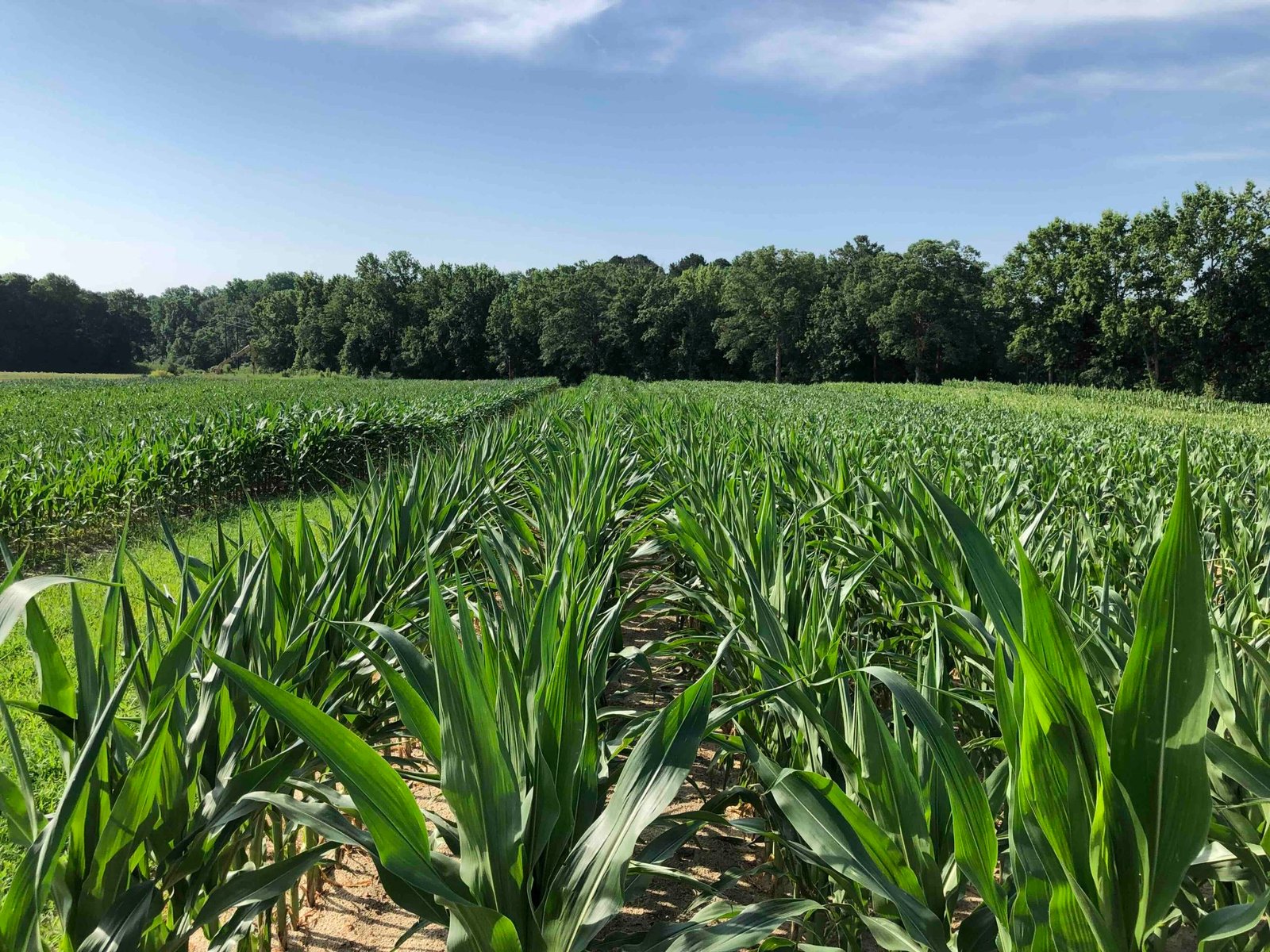
Corn trialing is a crucial step in bringing the best hybrids to farmers, and Pyrgos is helping speed up this process.
The team has also emphasized interpretability – developing user-friendly visual tools so that researchers and agronomists can understand why Pyrgos predicts a certain outcome (for example, which specific weather factors or soil conditions are driving a hybrid’s projected performance). This transparency will help build confidence in the AI and enable experts to validate its suggestions with their own field knowledge.
“This project shows the power of pooling our data globally and applying state-of-the-art AI,” says Eric. “By making the most of our unique data, we’re uncovering the interplay between genetics and environment on a level that hasn’t been seen before.”
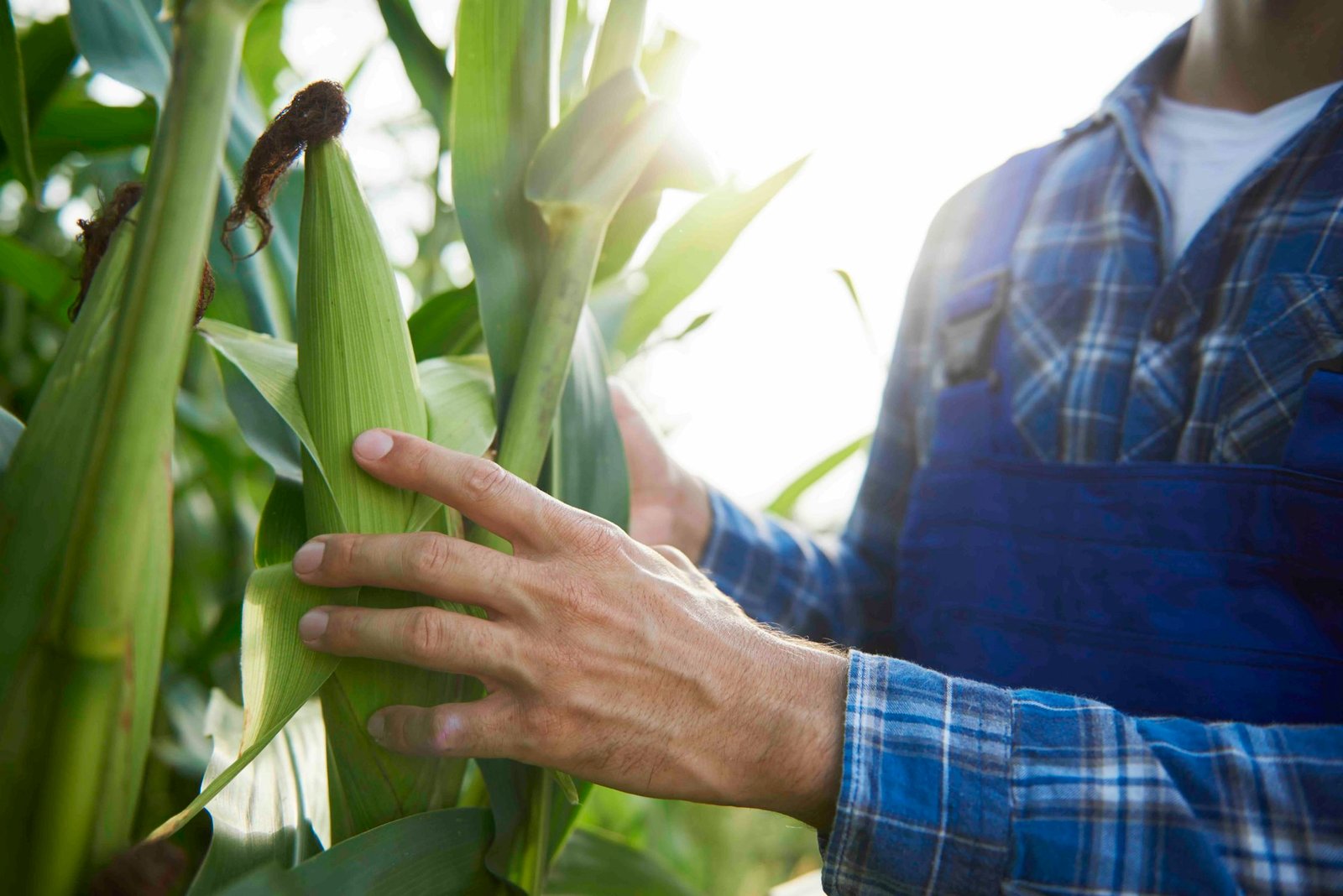
Corn trialing is a crucial step in bringing the best hybrids to farmers, and Pyrgos is helping speed up this process.
For farmers and customers, the promise of Pyrgos is better hybrids coming to market faster, with more tailored recommendations to get the best possible outcomes.
By making a major leap forward towards cracking the code on GxExM interactions Syngenta can develop crop products that are more precisely matched to local growing conditions, leading to better and more reliable performance in the field.